
Quantum Noise as Diffusion Material

The Question
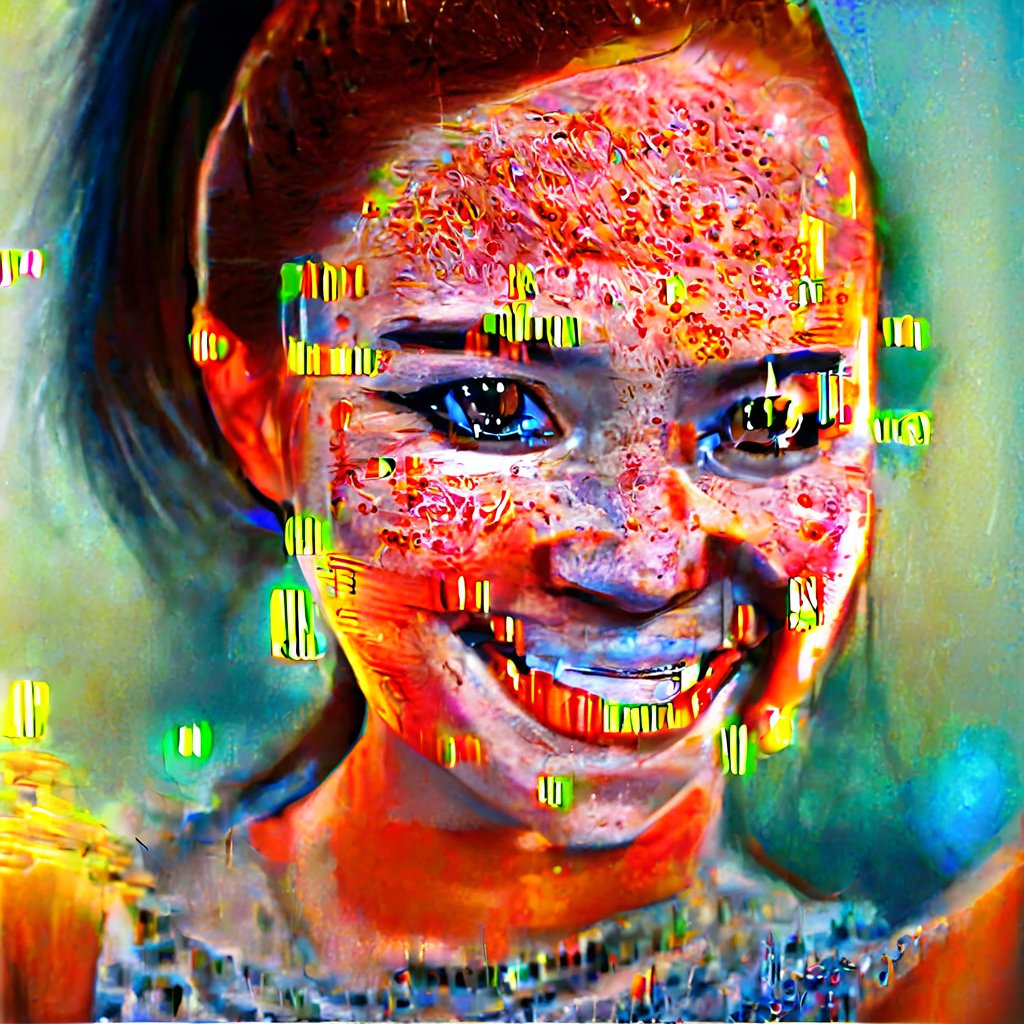
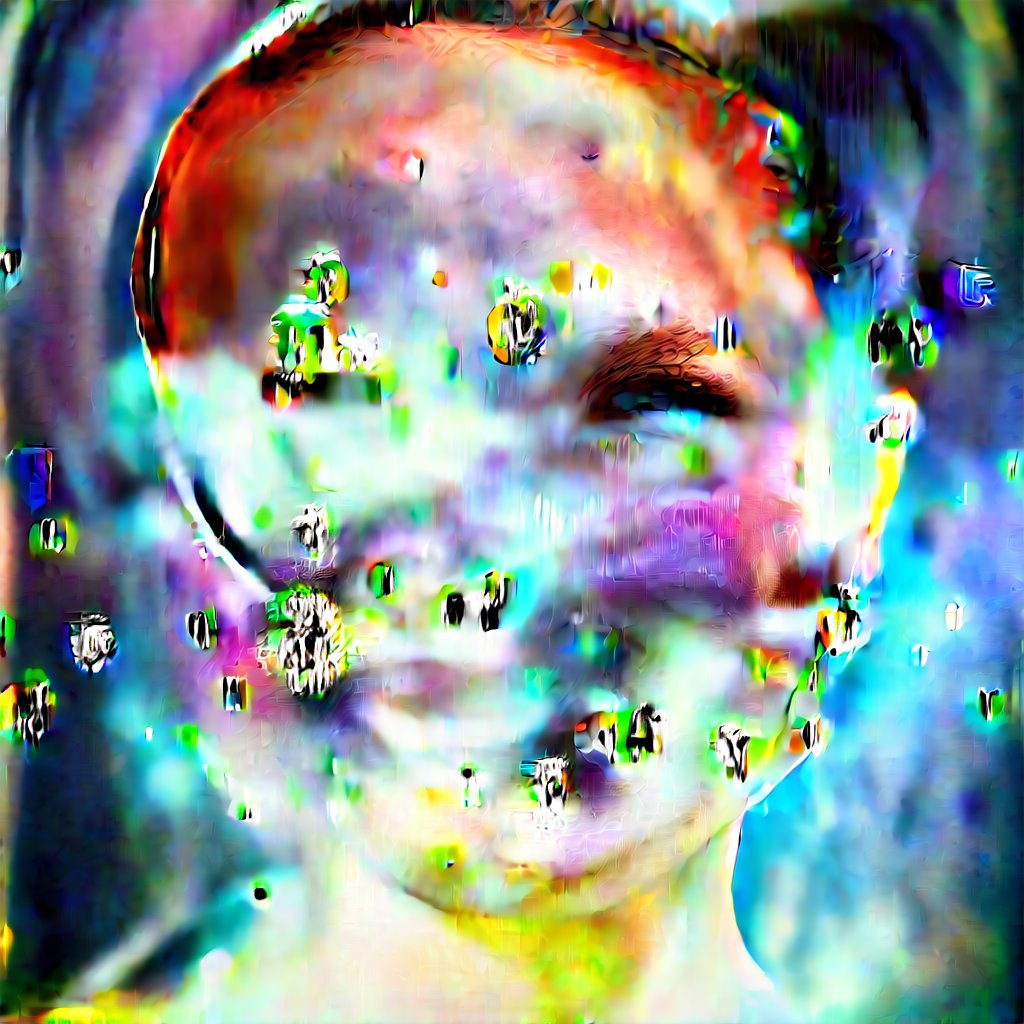
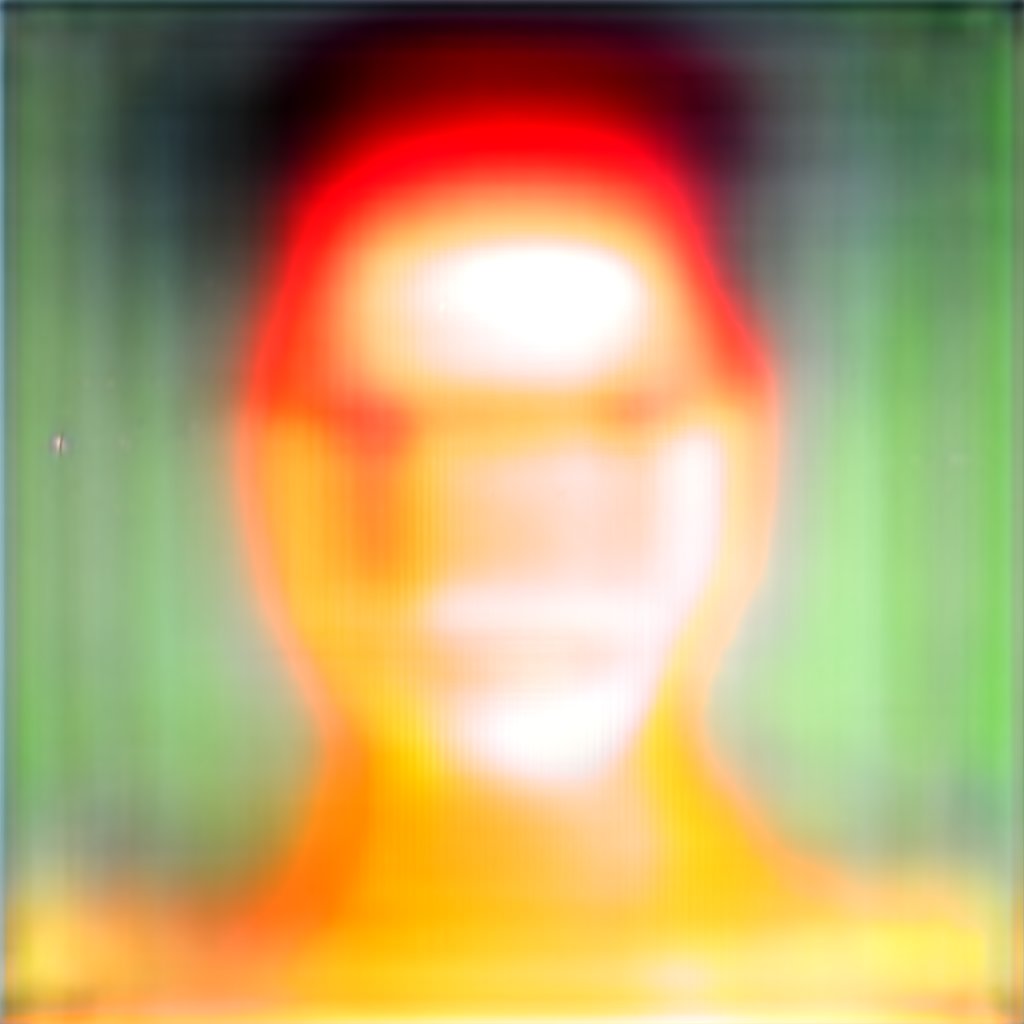
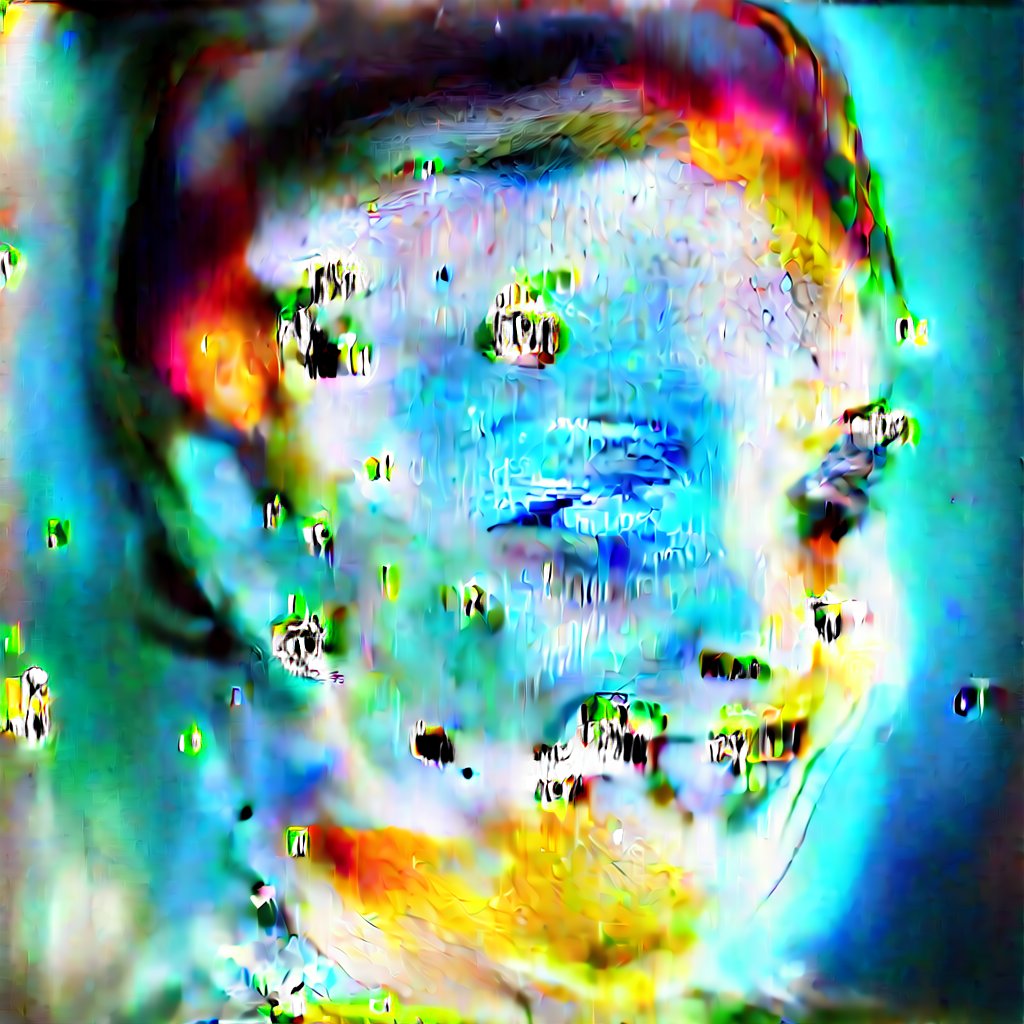
What happens when the random layer inside a generative model is replaced with noise from a quantum system?
What is Noise?
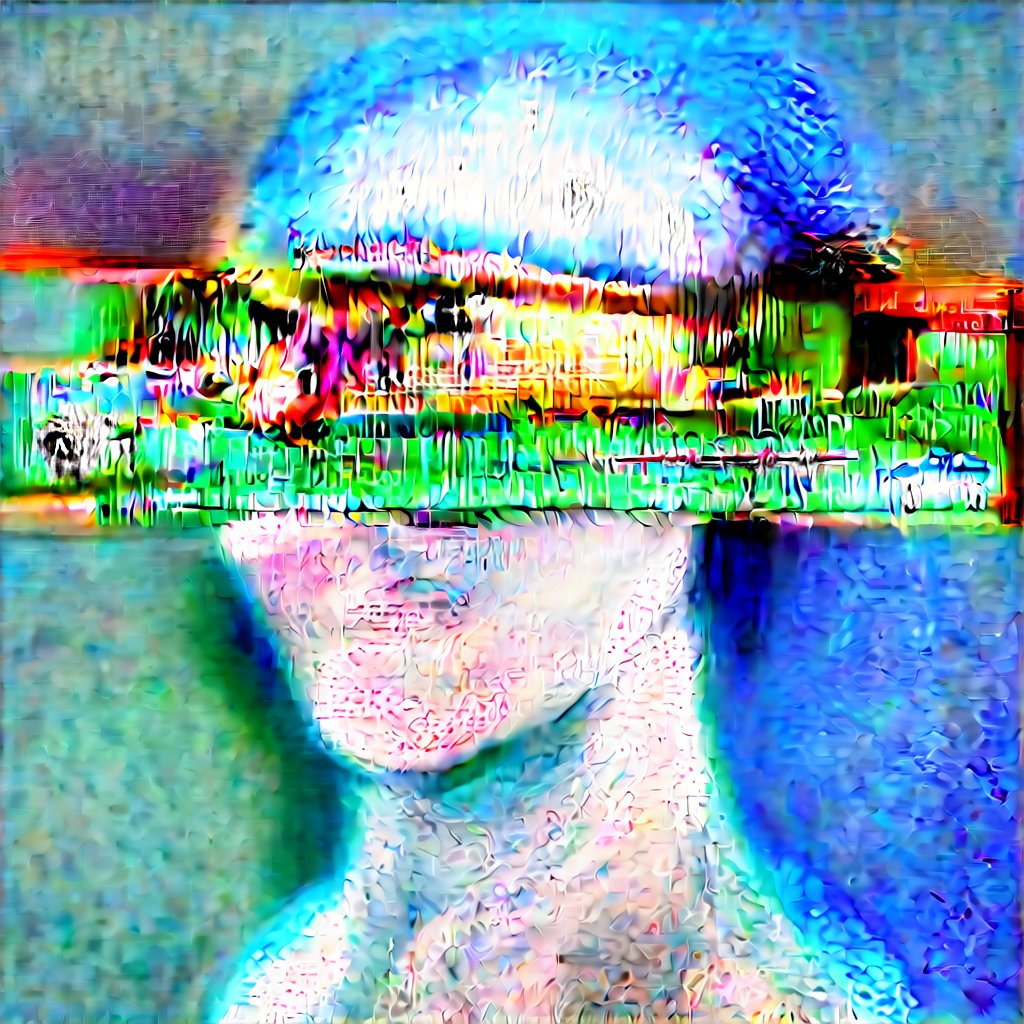
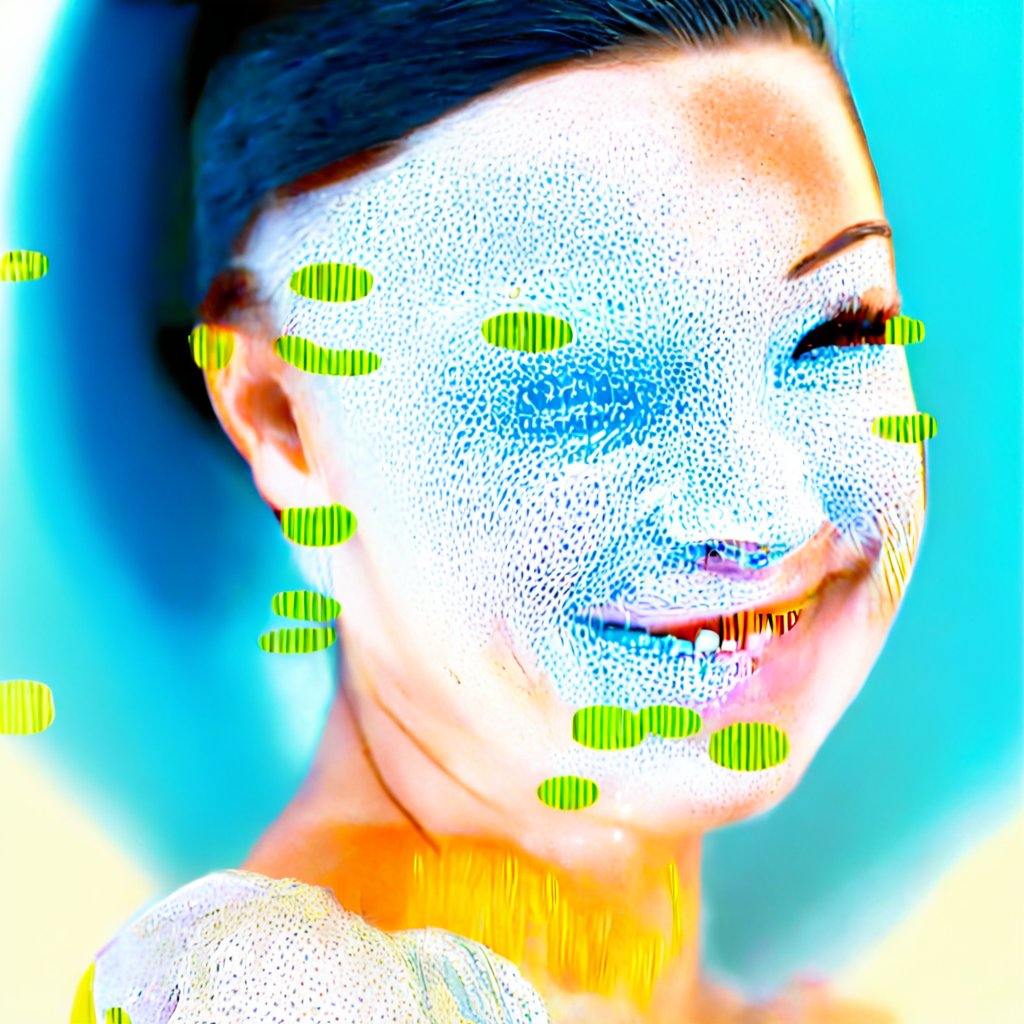
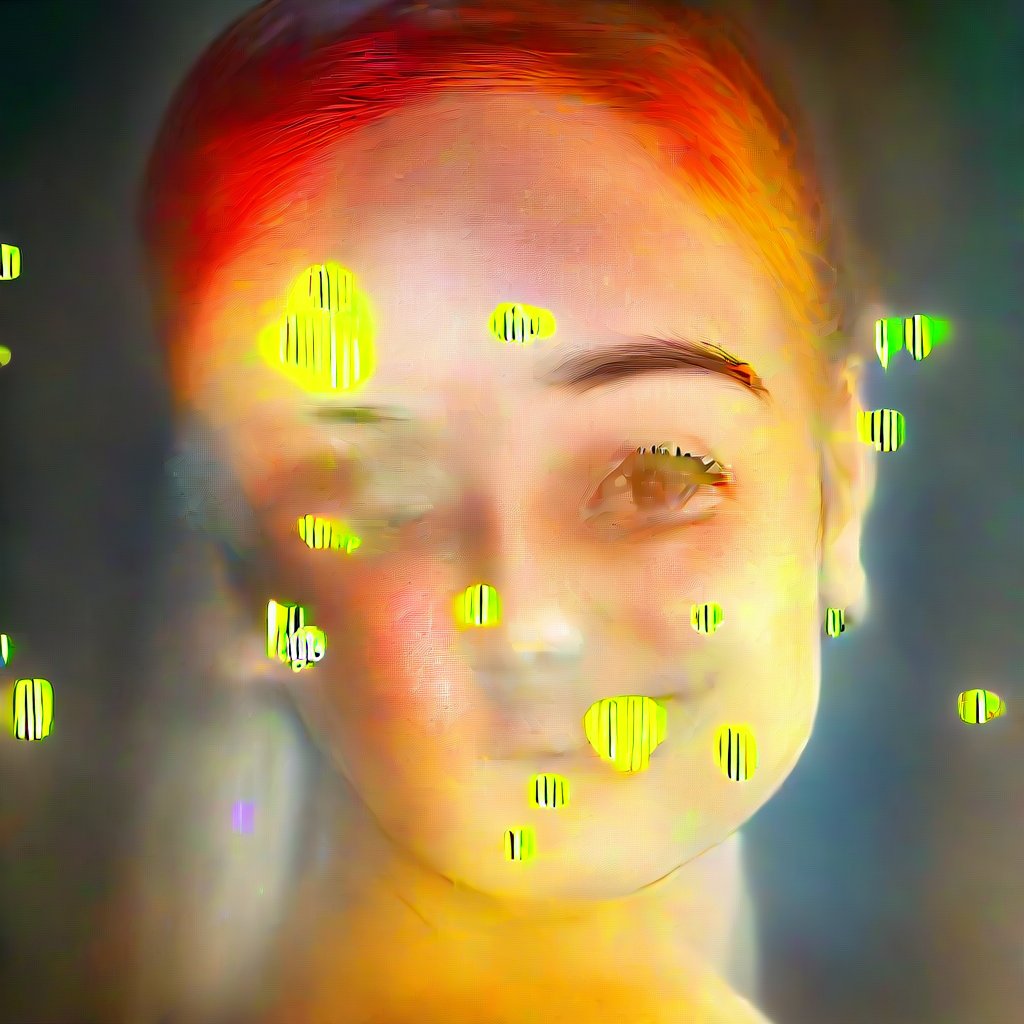
Underneath every diffusion model, noise is a long list of random numbers. How those numbers are distributed shapes everything the model produces.
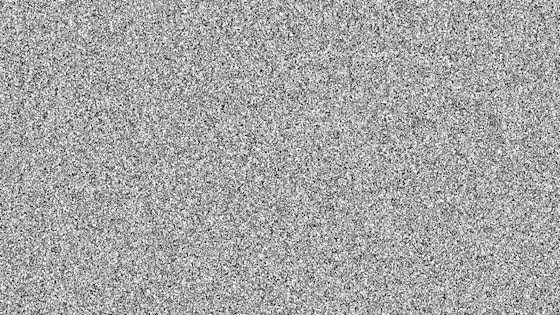
Gaussian
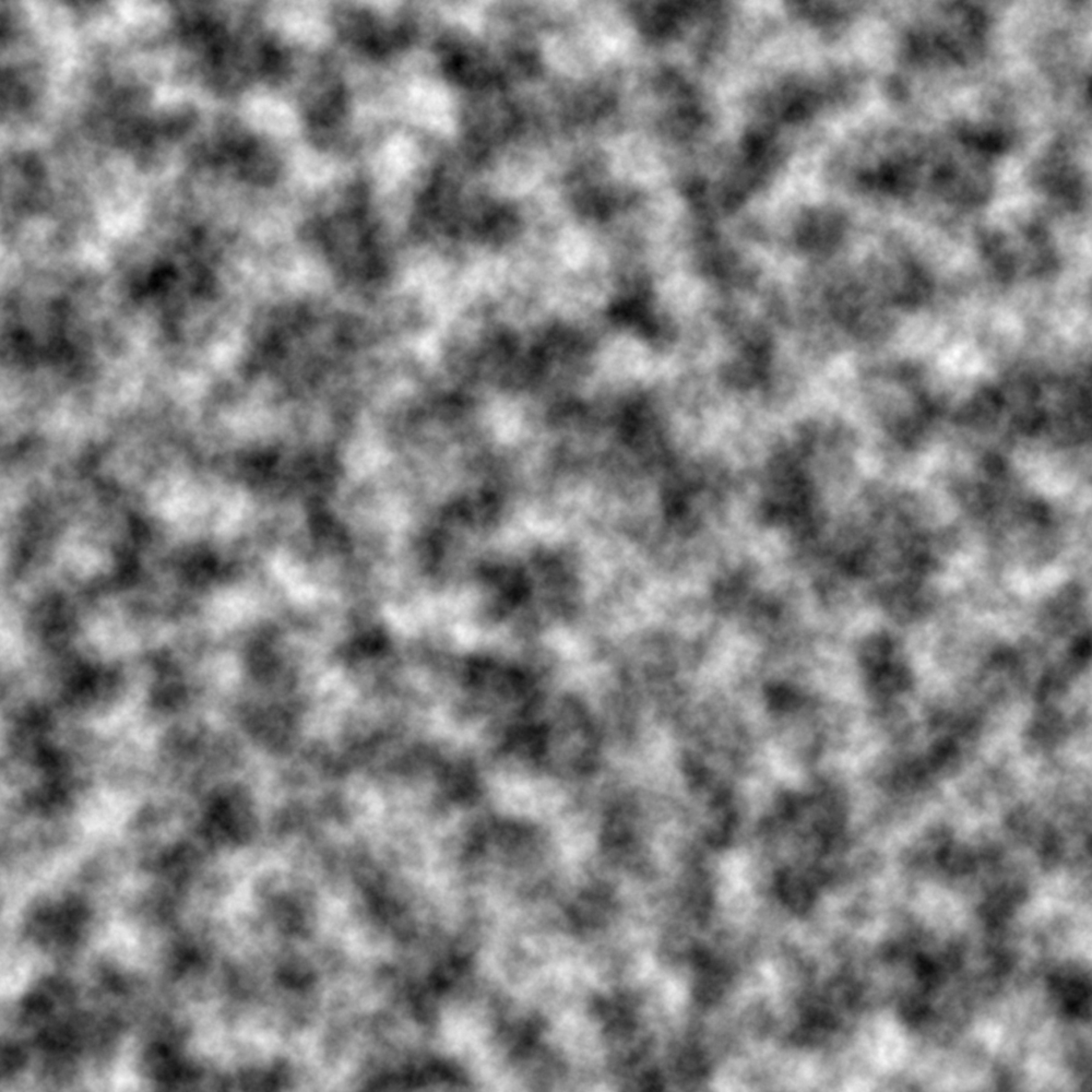
Brownian
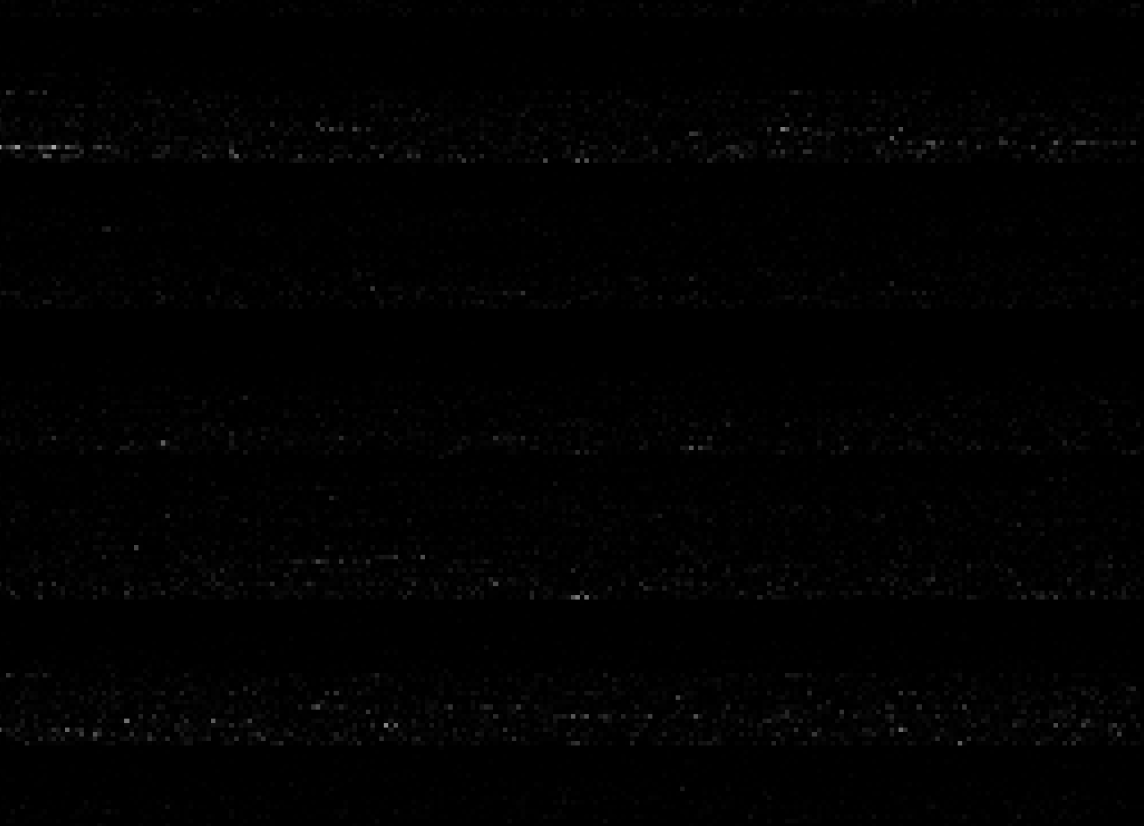
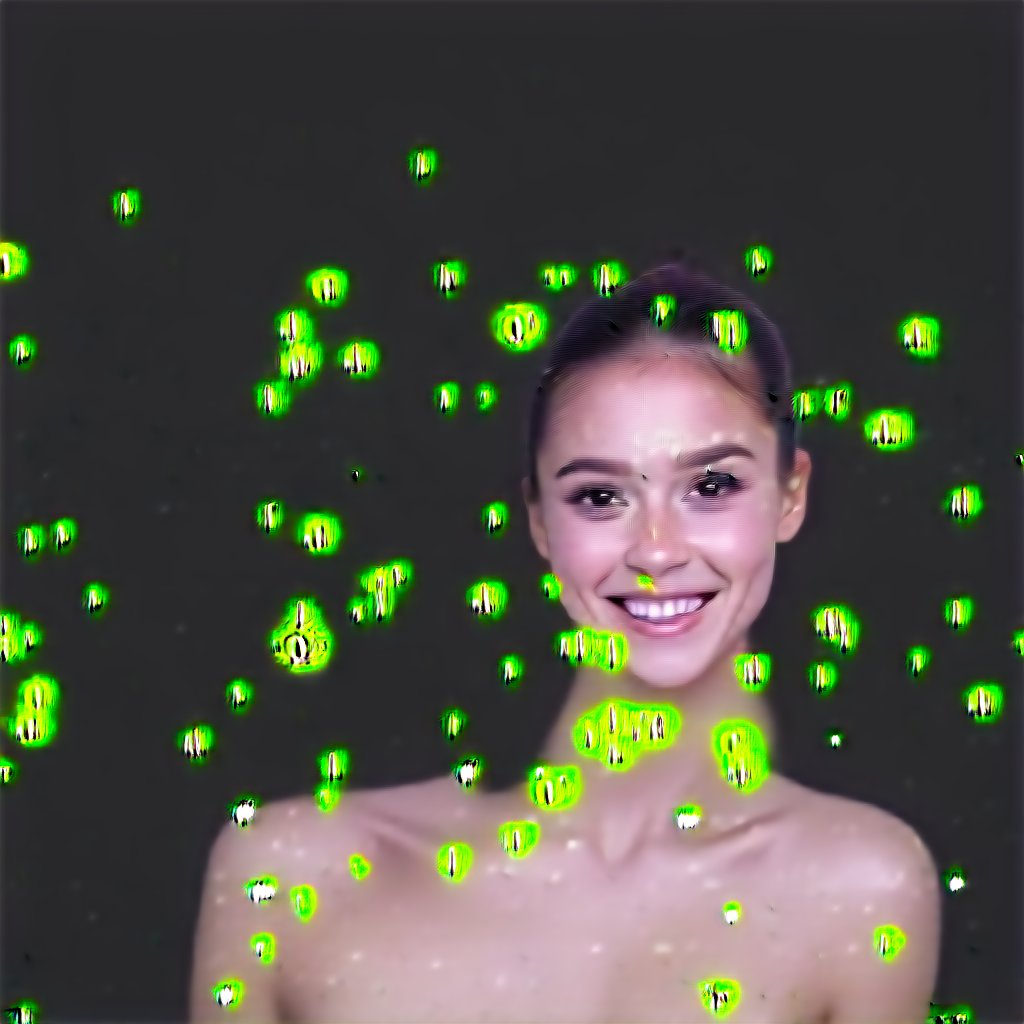
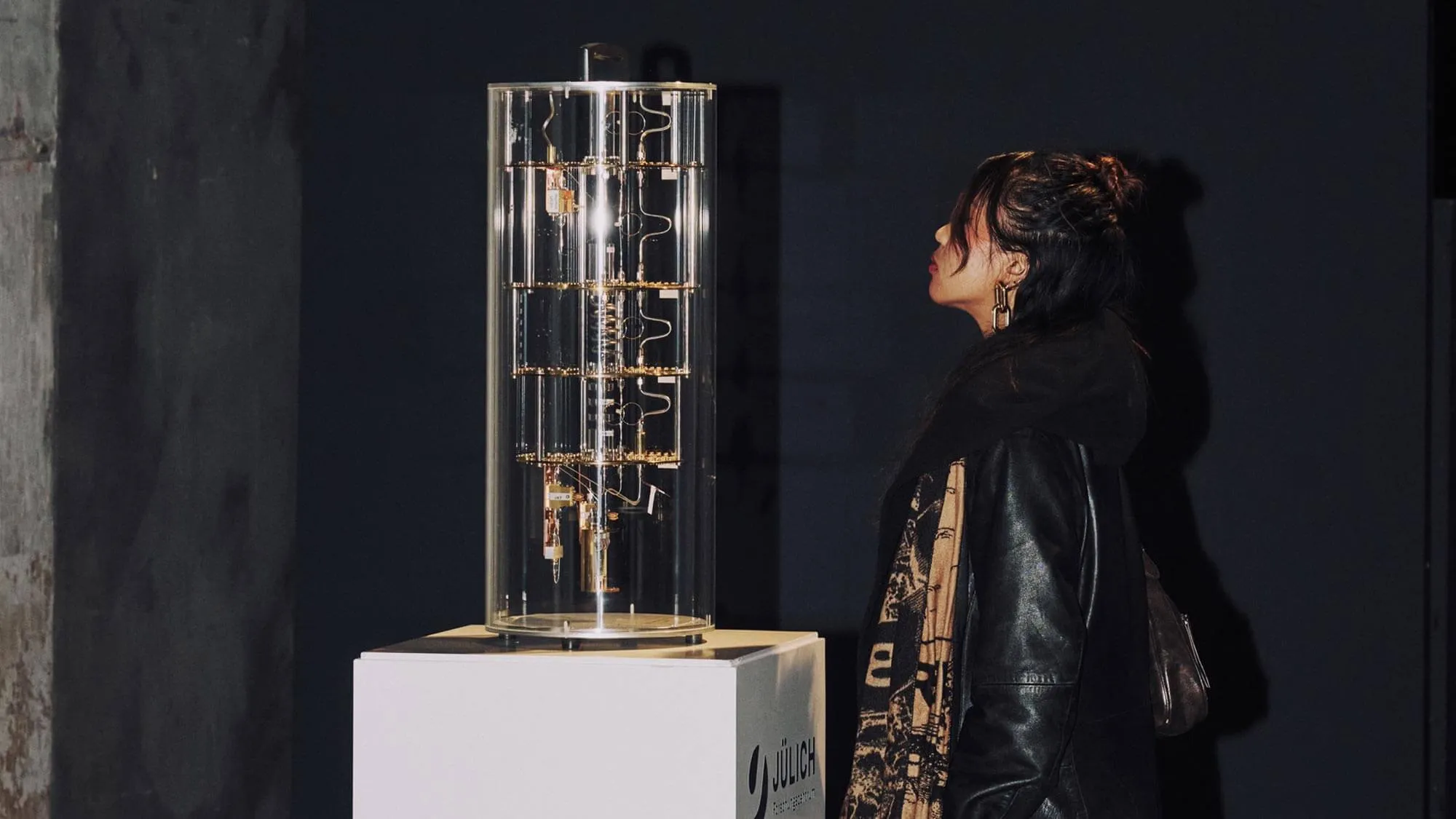
Quantum
Image Pipeline
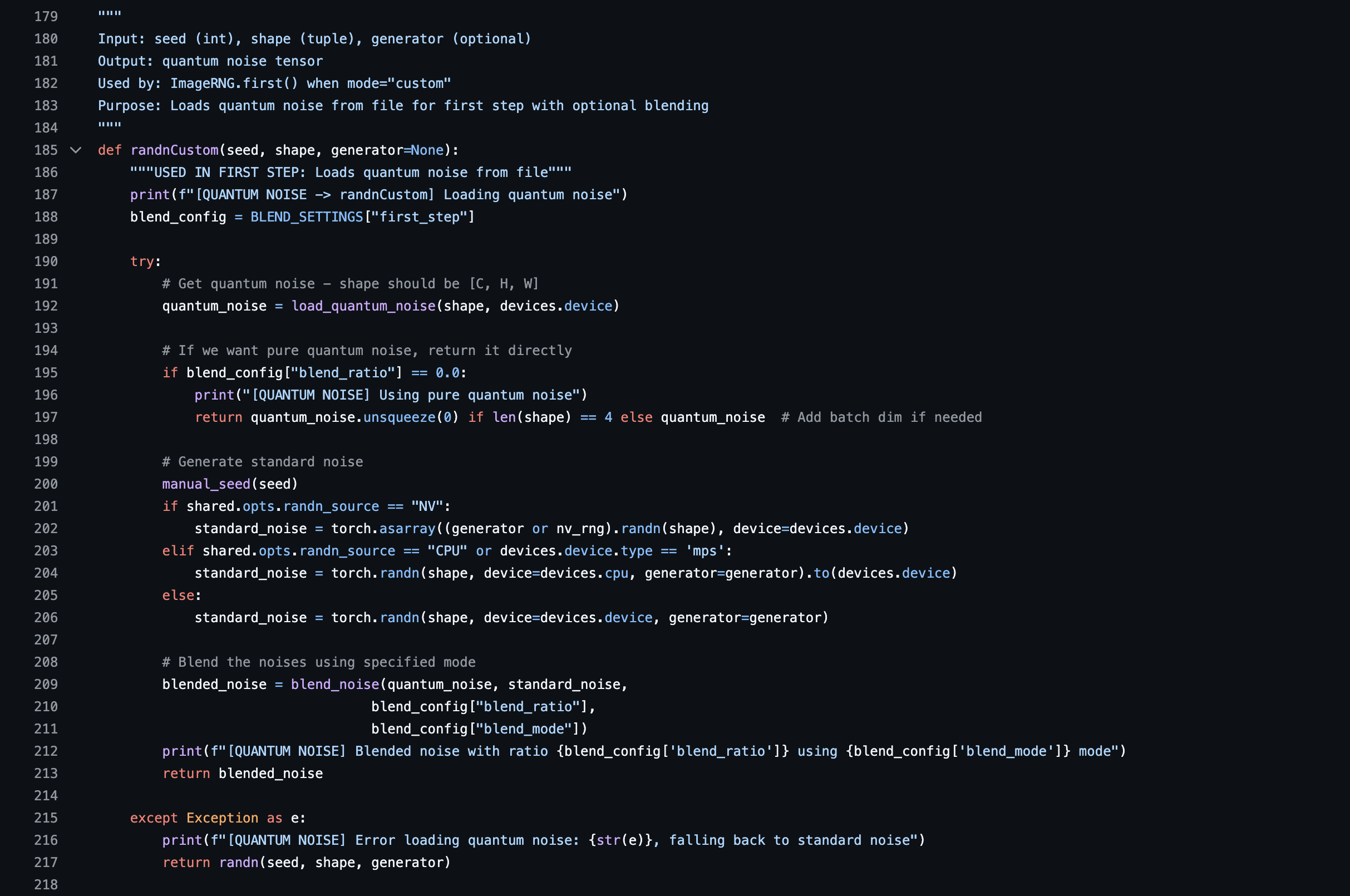
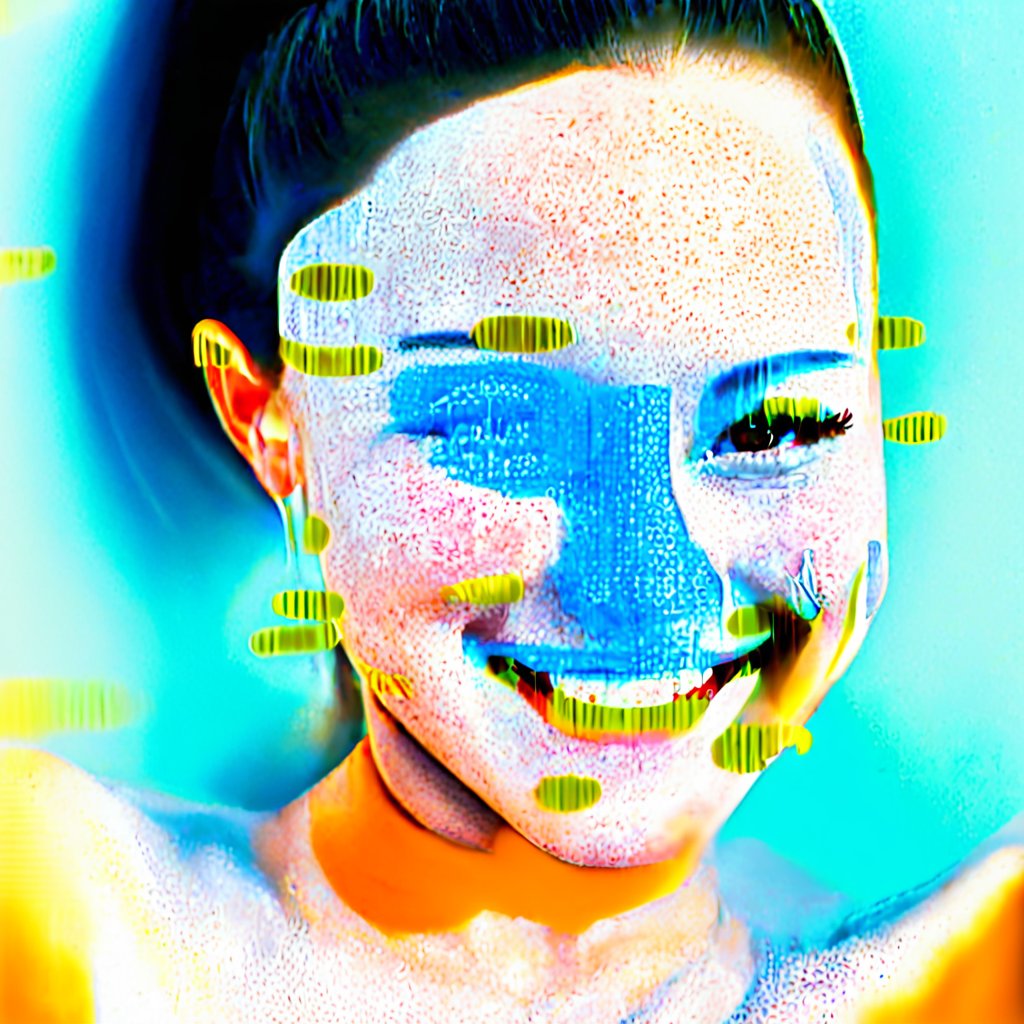
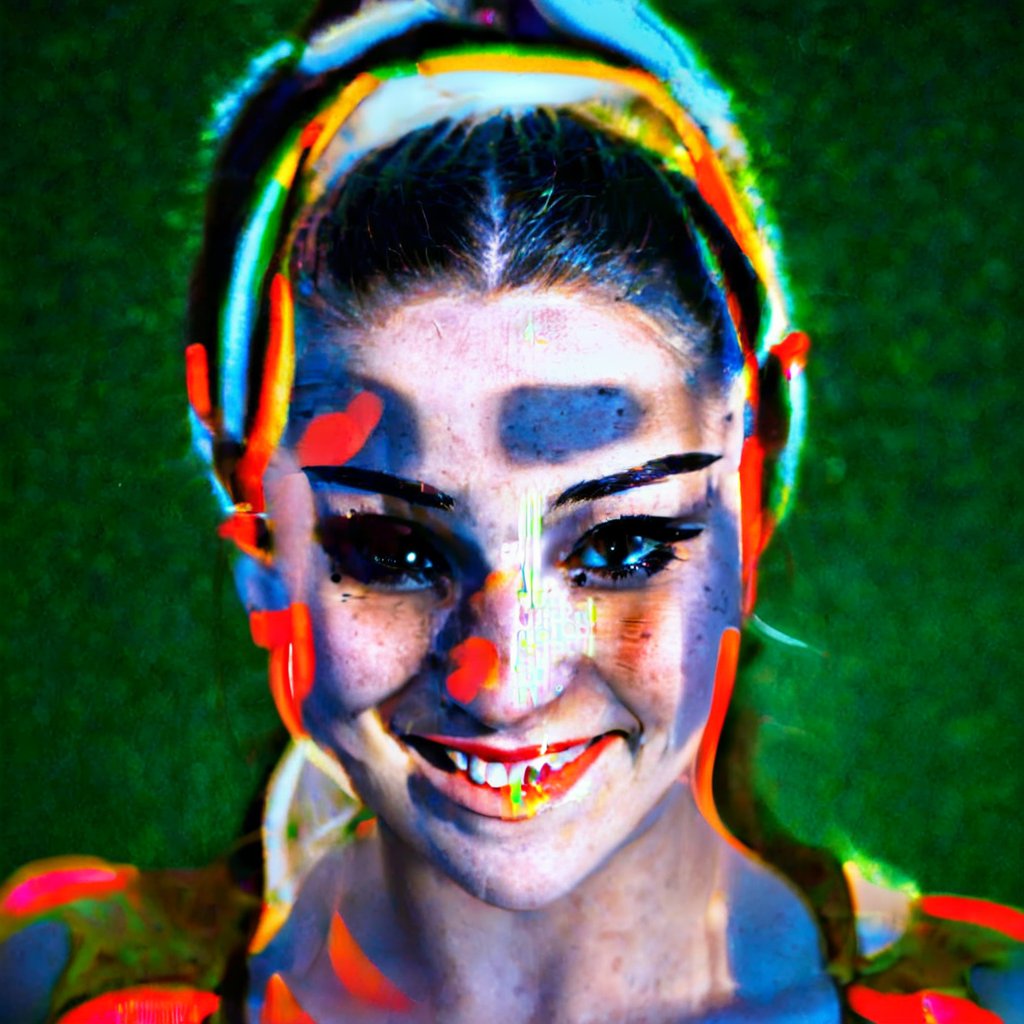
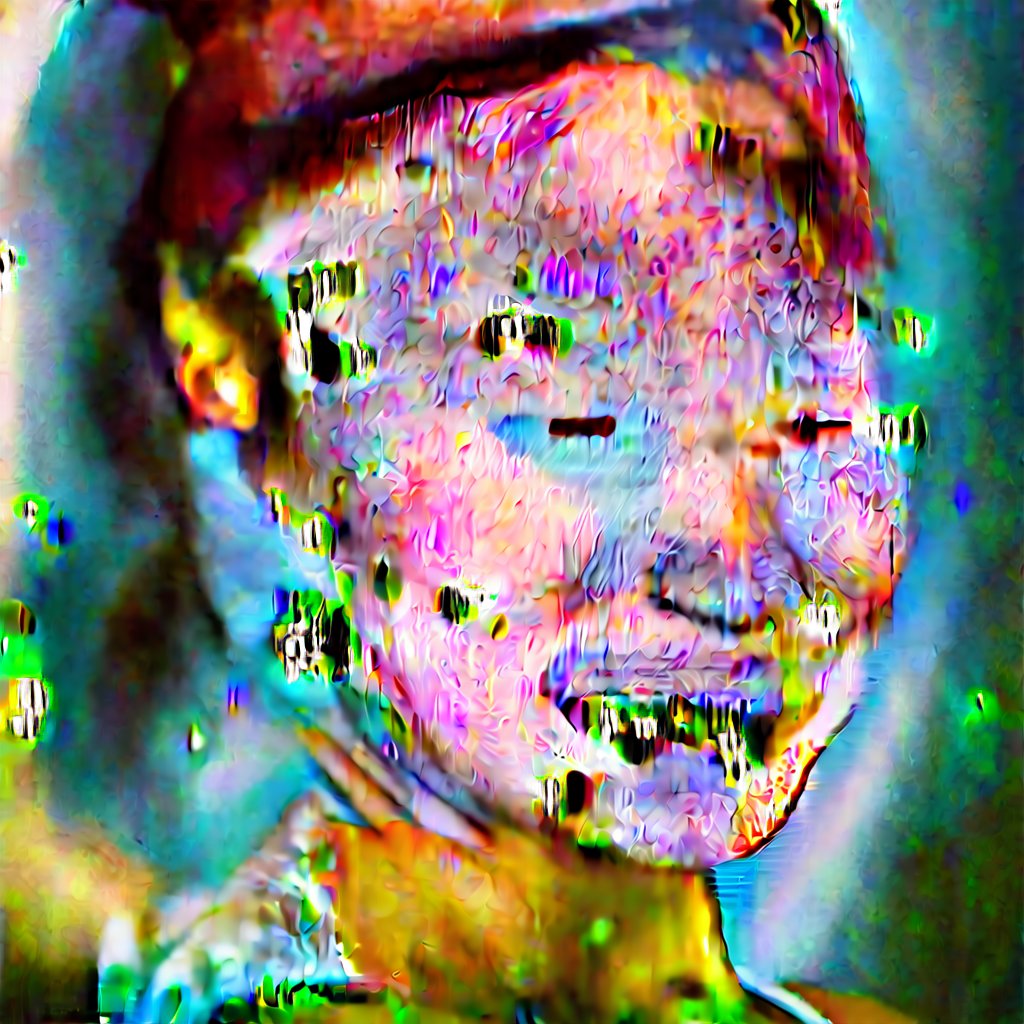
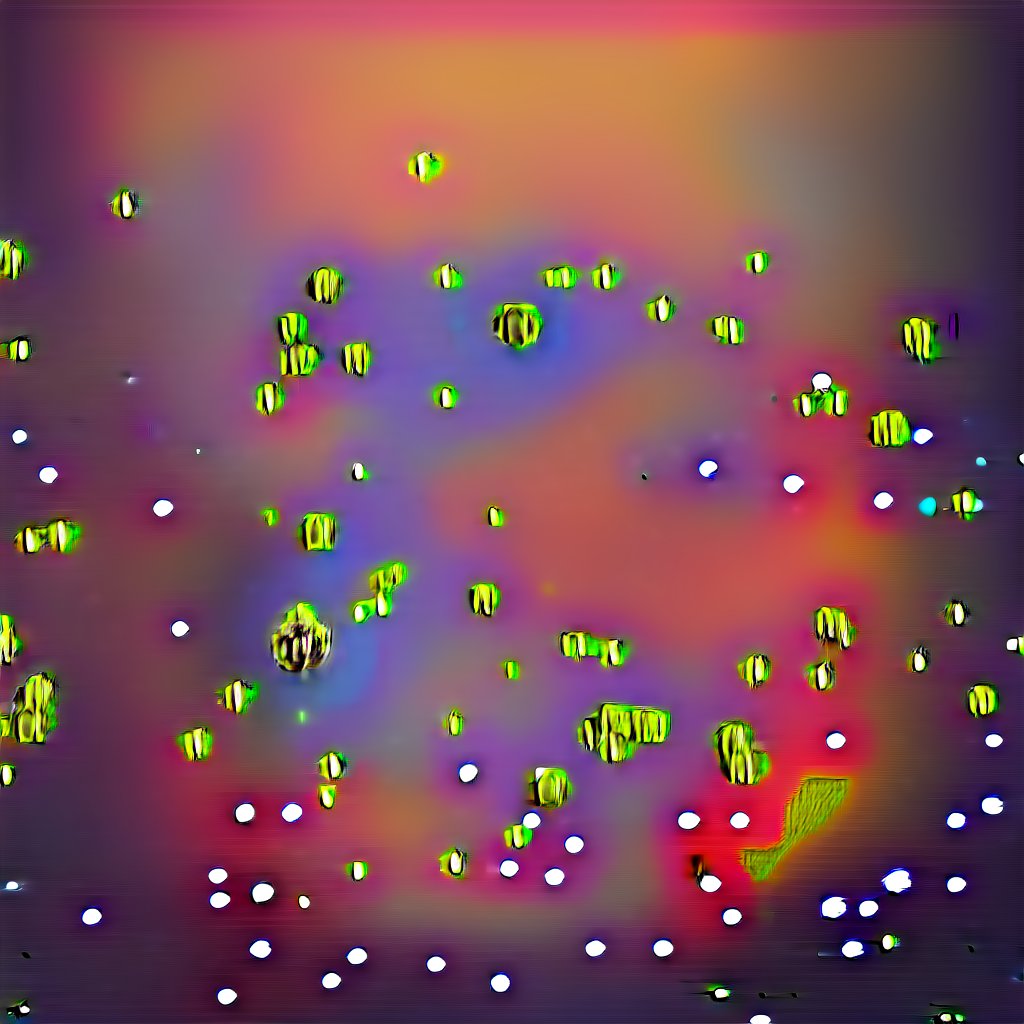
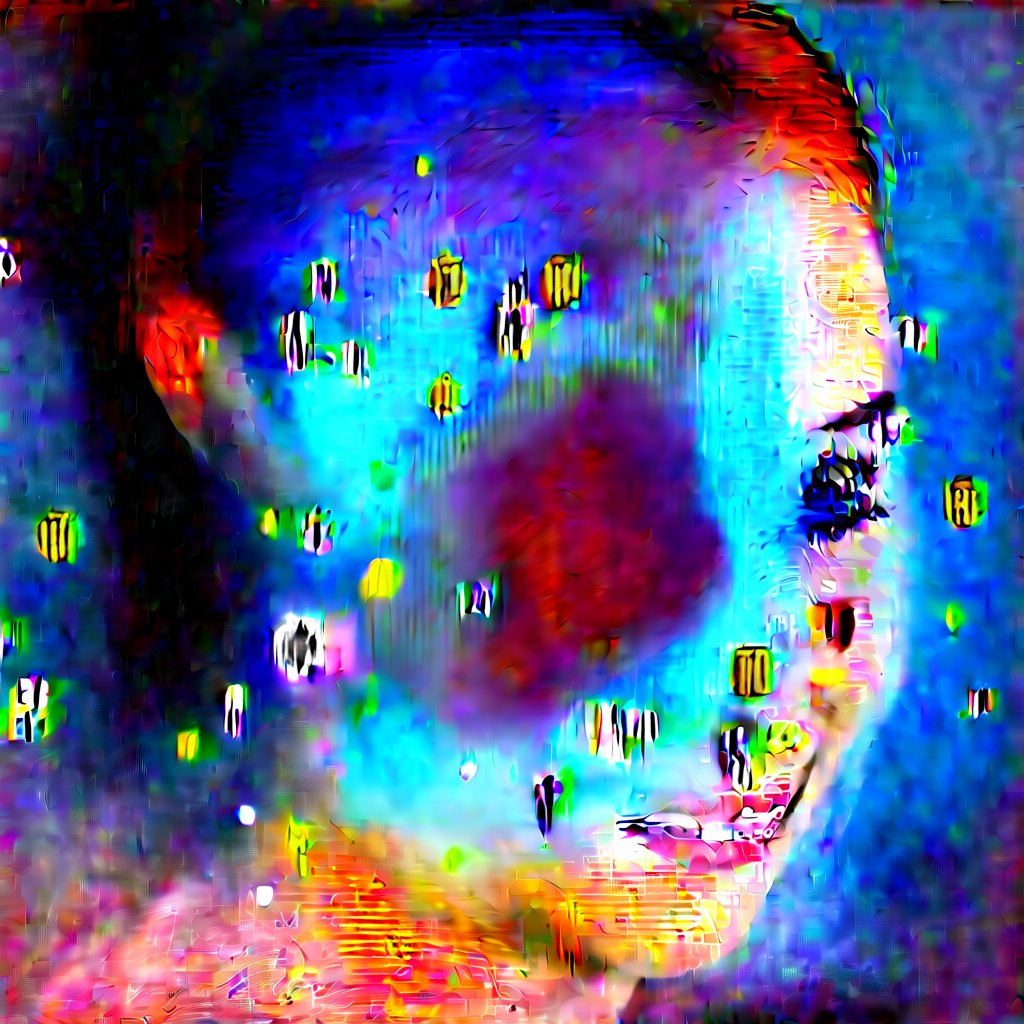
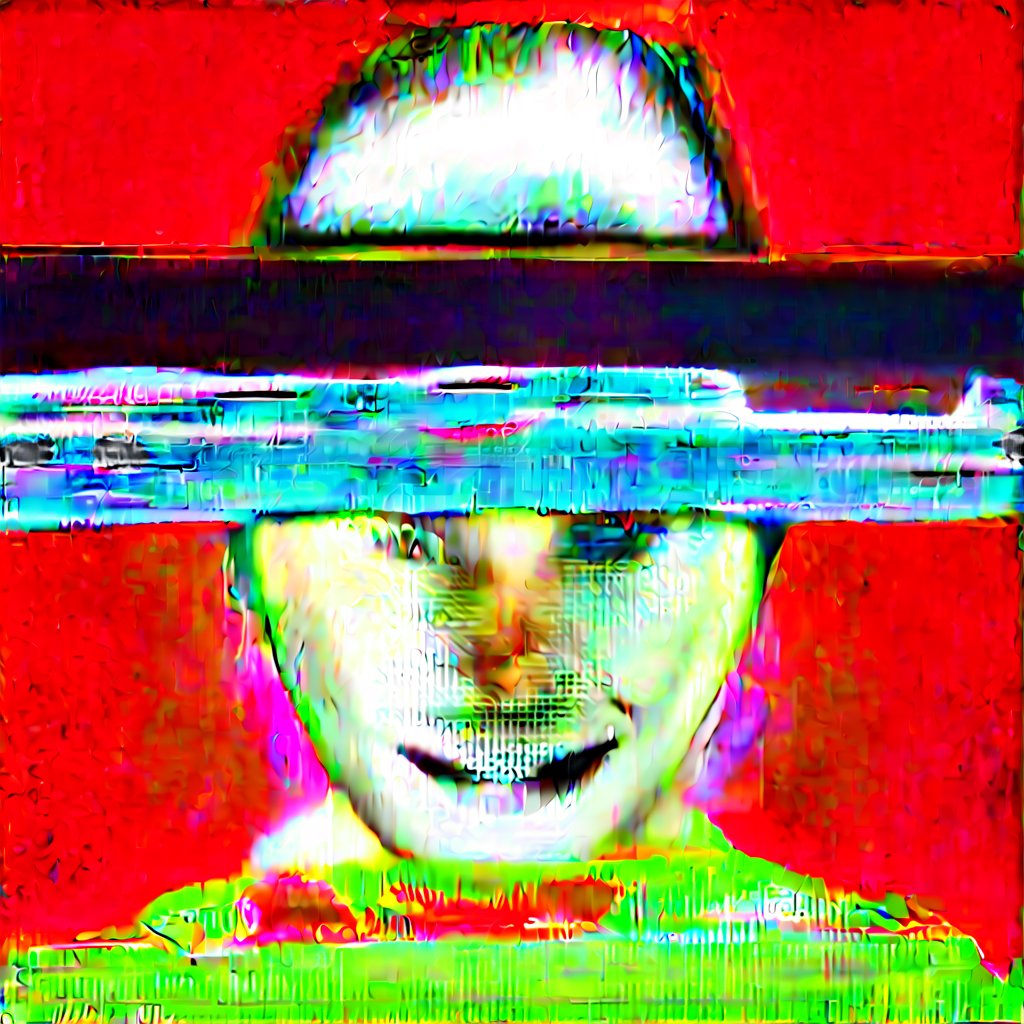
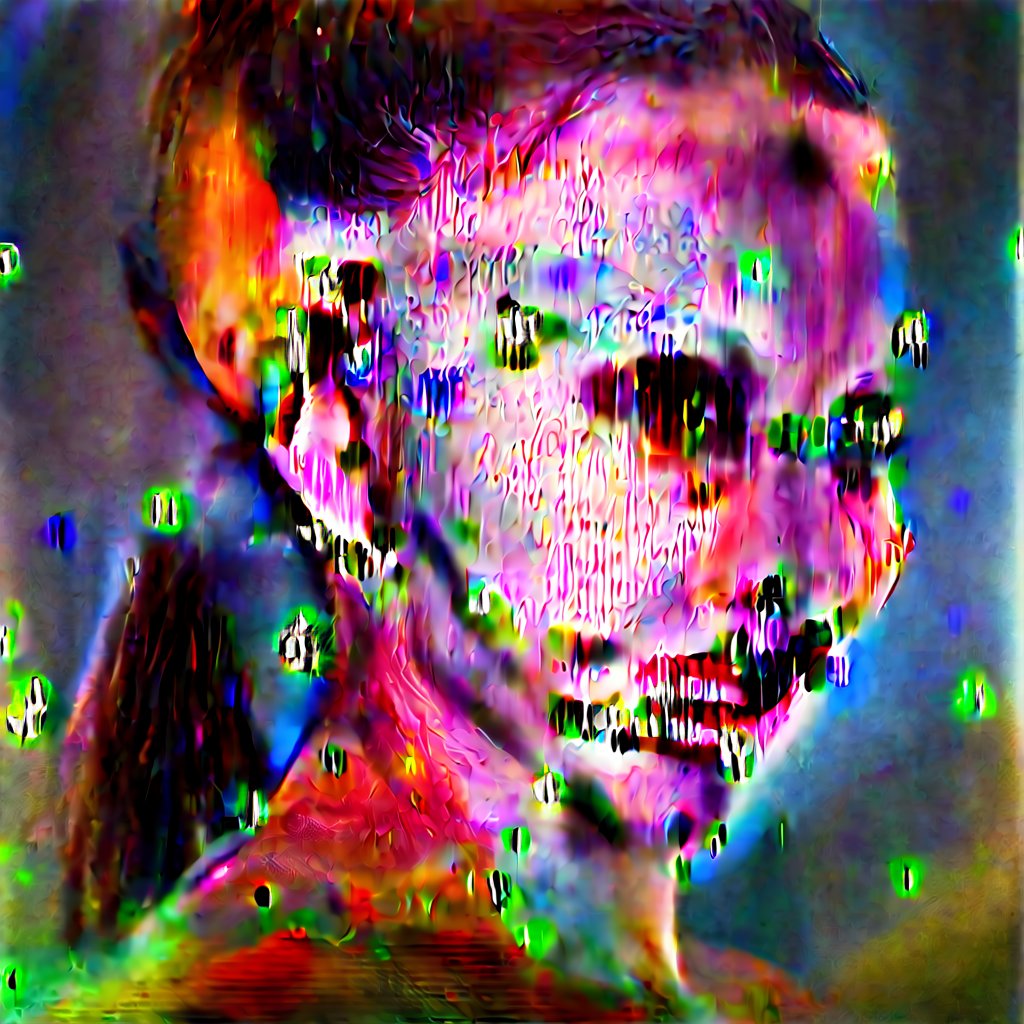
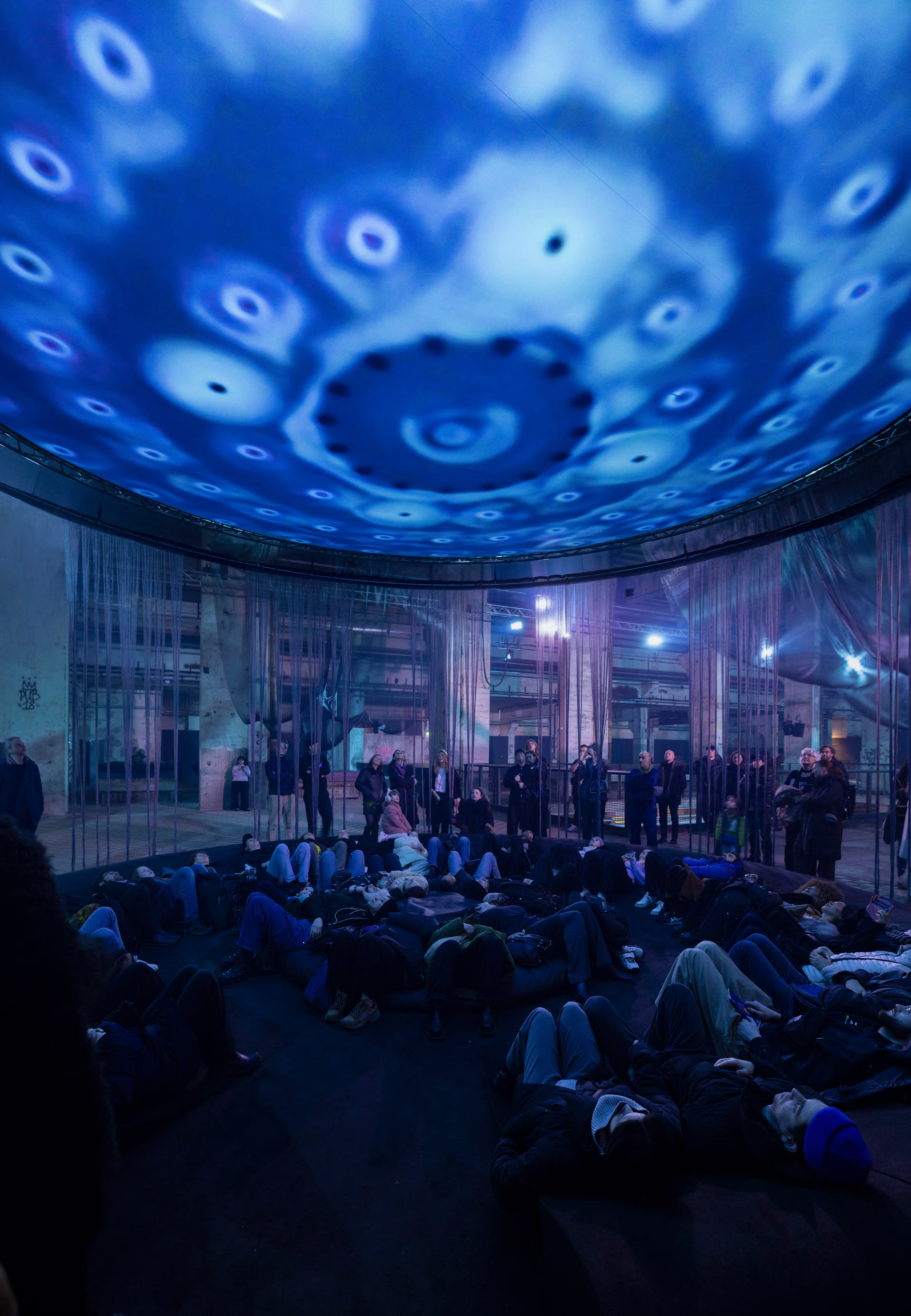
Stable Diffusion calls 65,536 random values per denoising step. We replaced that call with a slice from the quantum noise dataset, converted into latent space and routed into the model through a modified RNG function.
SOUND PIPELINE
The same substitution moved to audio. Stability AI's open-source audio diffusion model normally uses Brownian noise across 300 denoising steps. We rerouted that call to the same quantum dataset, read as a sliding window so successive slices overlapped — approximating Brownian's correlation while keeping the source material quantum. ComfyUI handled the orchestration.
0:000:00
IN CONTEXT
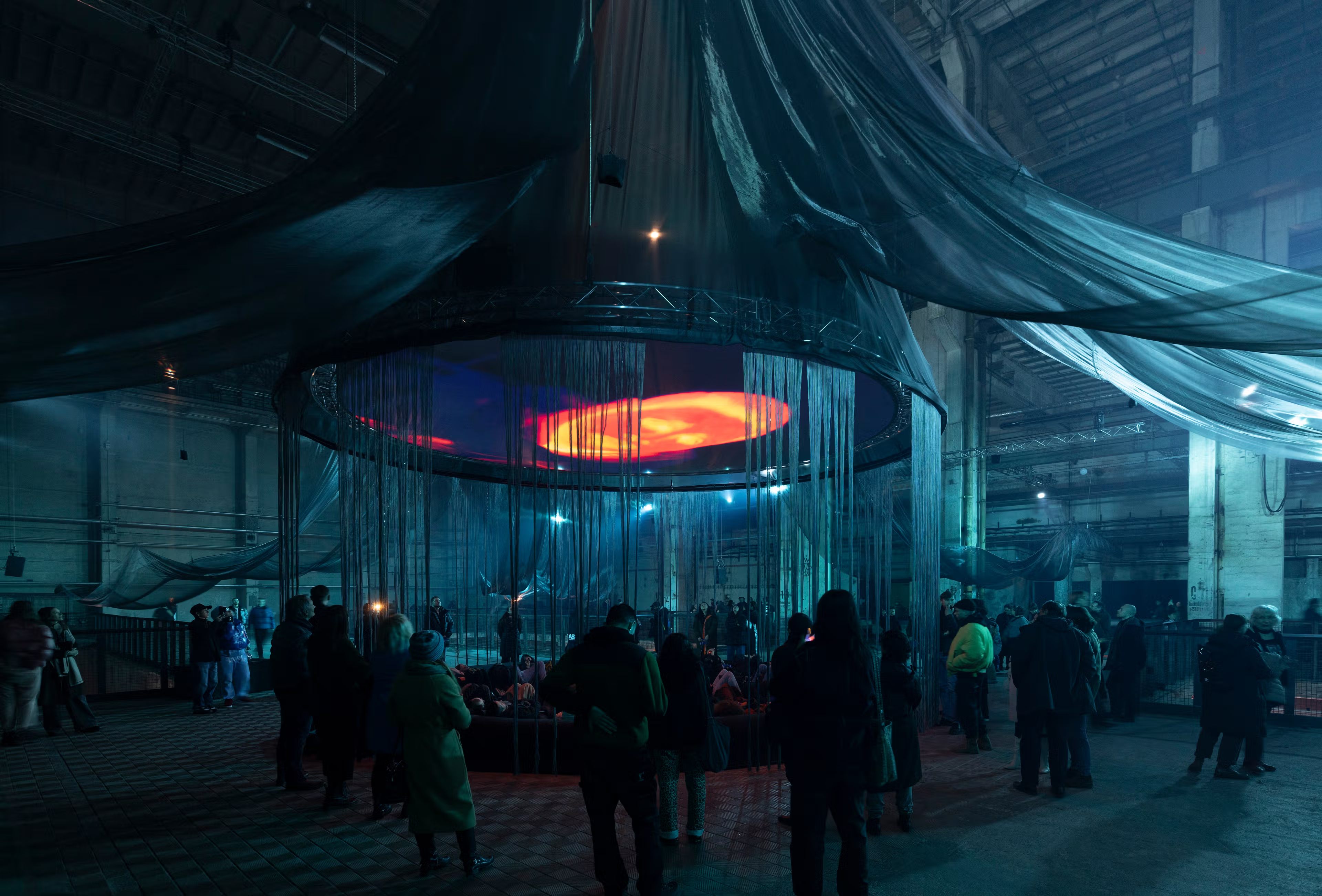
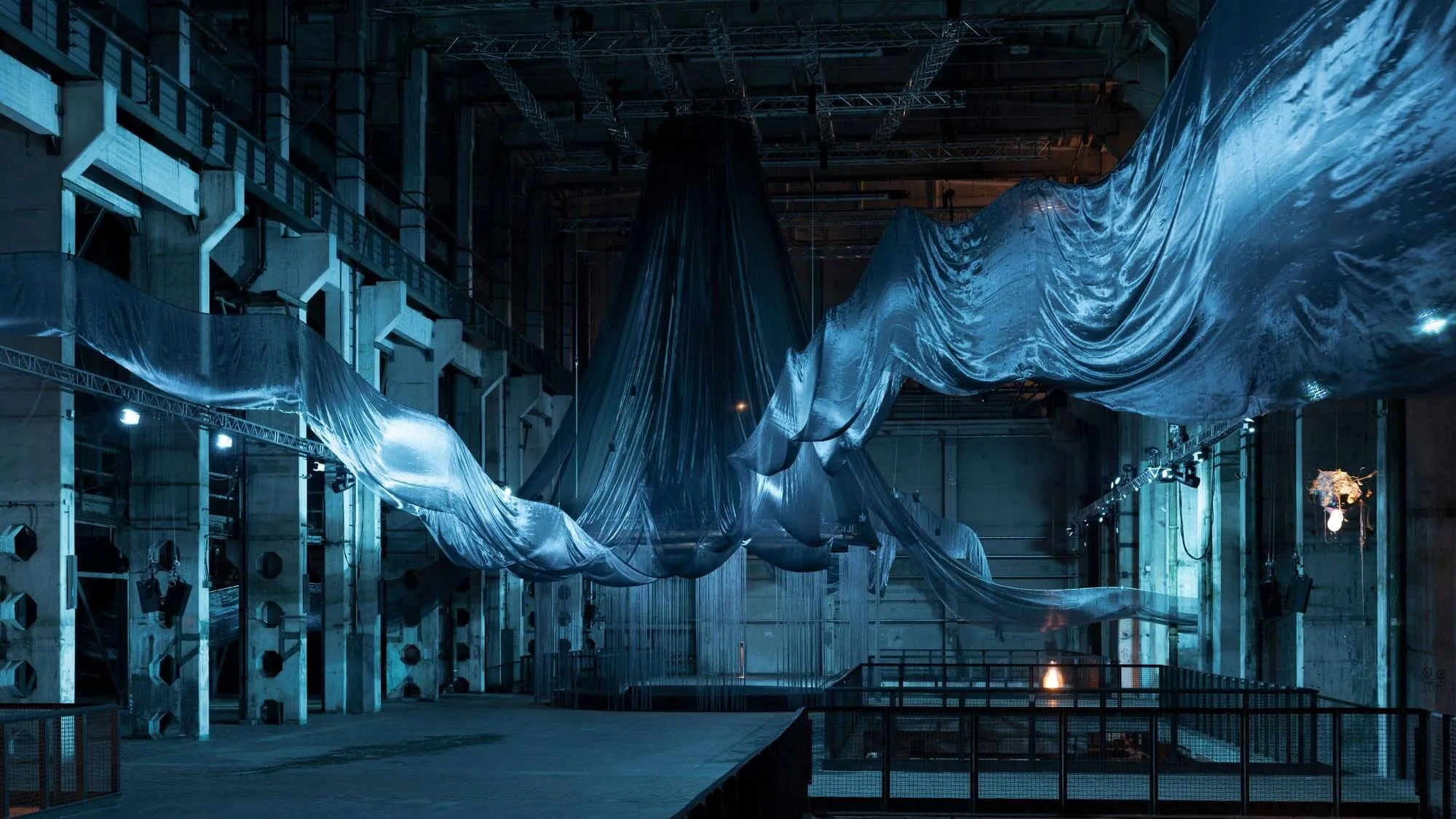
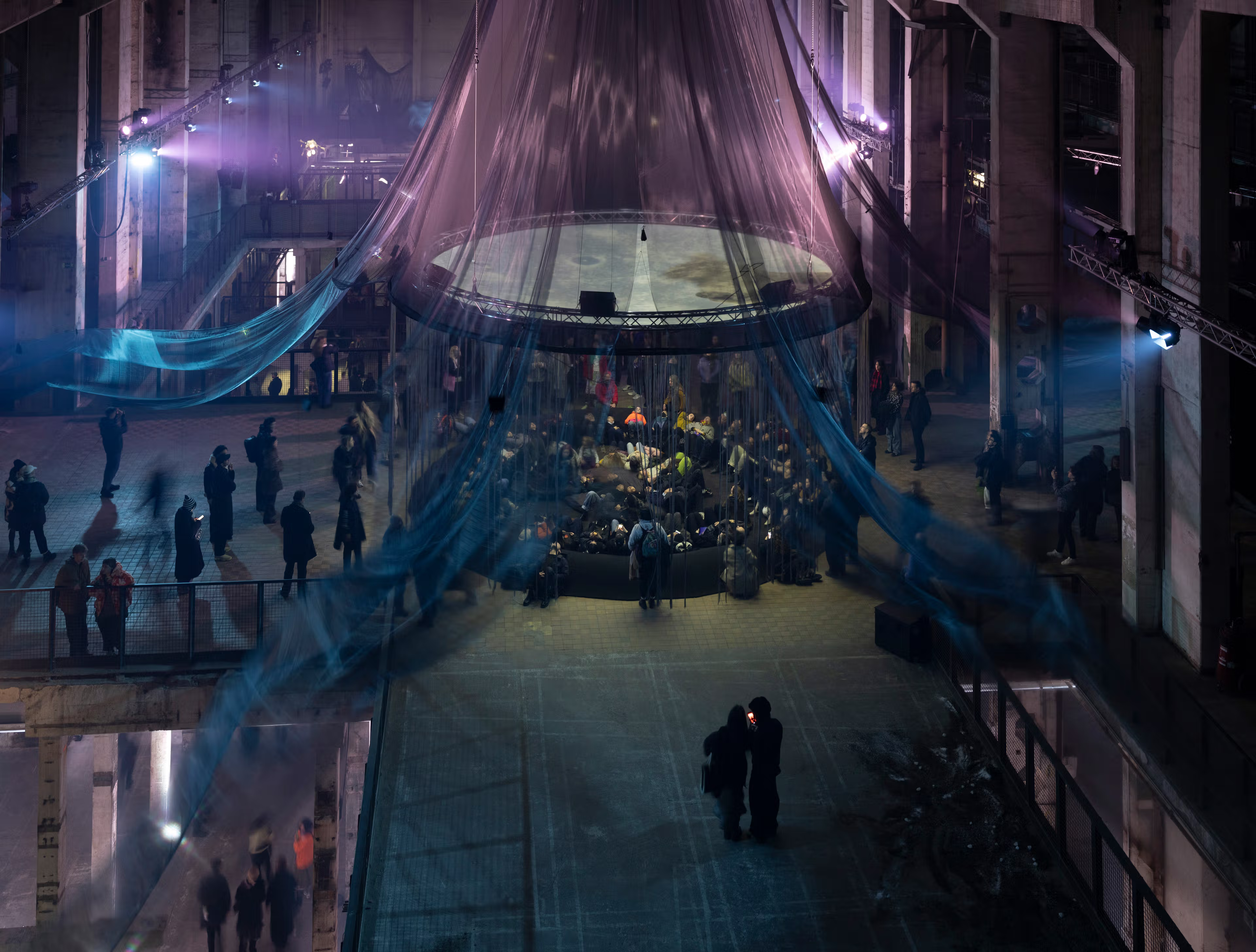
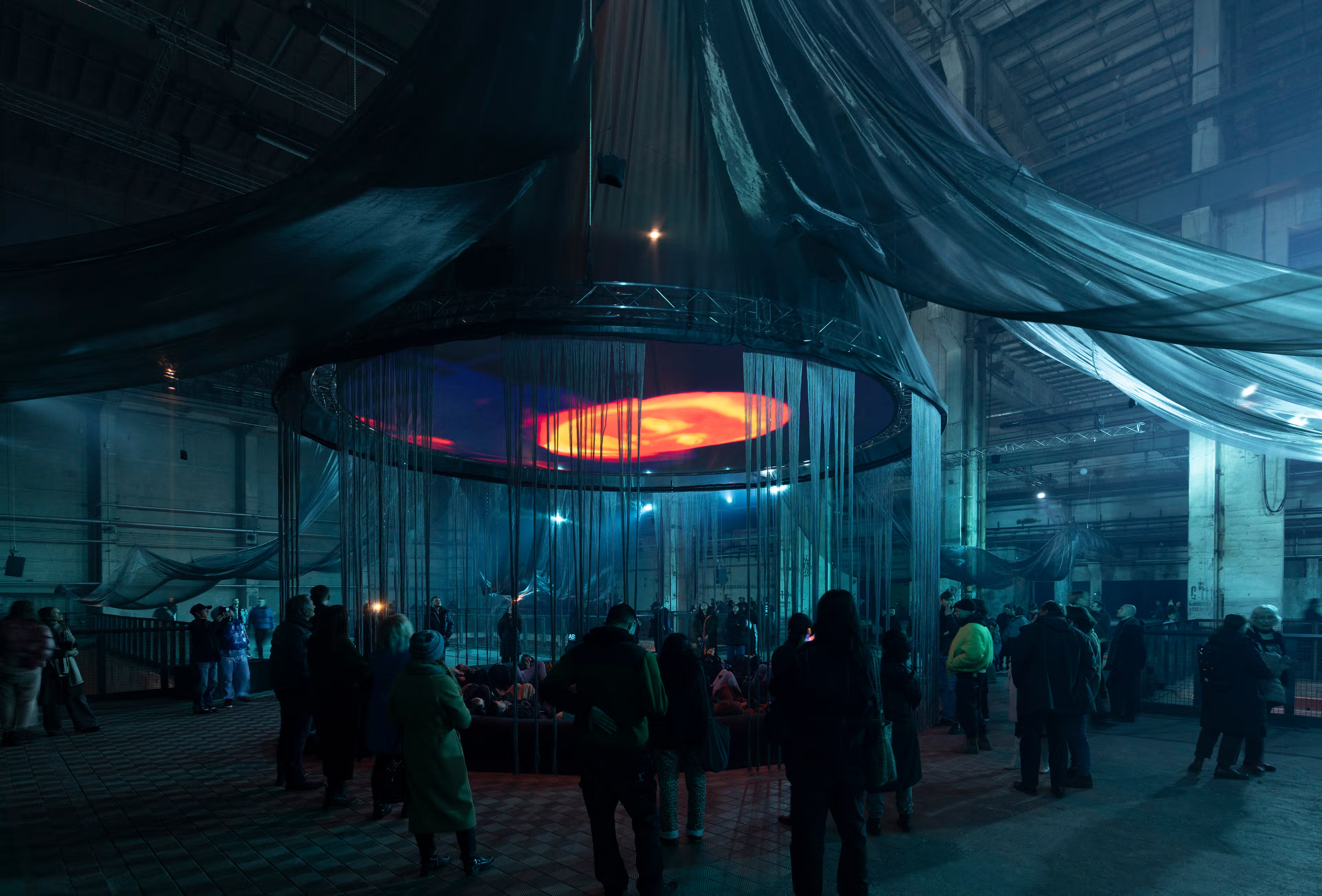
The output runs through Prouvost's installation as one of several layered components. The moving image plays on the central overhead screen, audio runs through the Sound Lab alongside compositions by Kara-Lis Coverdale, Marco Donnarumma, and Aïsha Devi. The artwork is Prouvost's. The pipeline is ours.

CREDITS
- CommissionerLAS Art Foundation
- Co-commissionerOGR Torino
- ArtistLaure Prouvost
- Research partnersHartmut Neven · Google Quantum AI · Tobias Rees
- Scientific consultantForschungszentrum Jülich
- Research partnerQuantumLeaks Foundation / Max Planck Foundation
- Lead partner educationVolkswagen Group
- Technical pipelineTHE ROBOTS
- VenueKraftwerk Berlin
- Dates21 February – 4 May 2025
- AwardedS+T+ARTS Grand Prize 2025 — Innovative Collaboration
- Funded byEuropean Union — Grant Agreement No 101135691